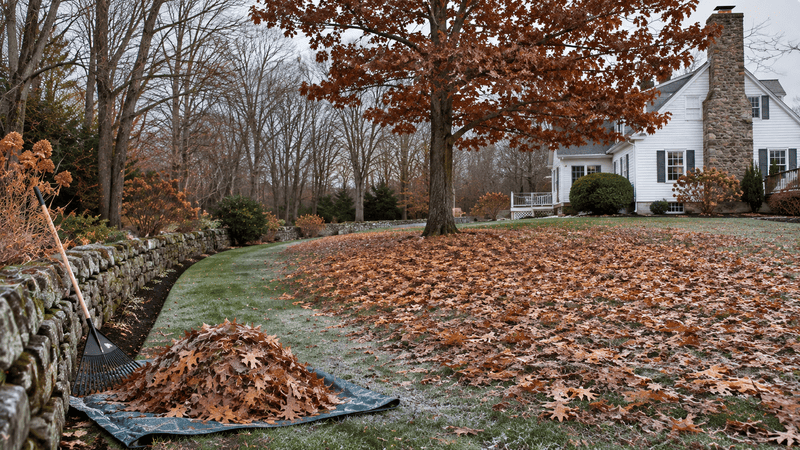
 Short version: If your Bristol lawn is covered again a week or two after you cleaned it, blame the oaks (and Norway maples). They drop late and slowly, and some oaks hold leaves into spring. Leaves left on the lawn over winter can smother grass and encourage snow...
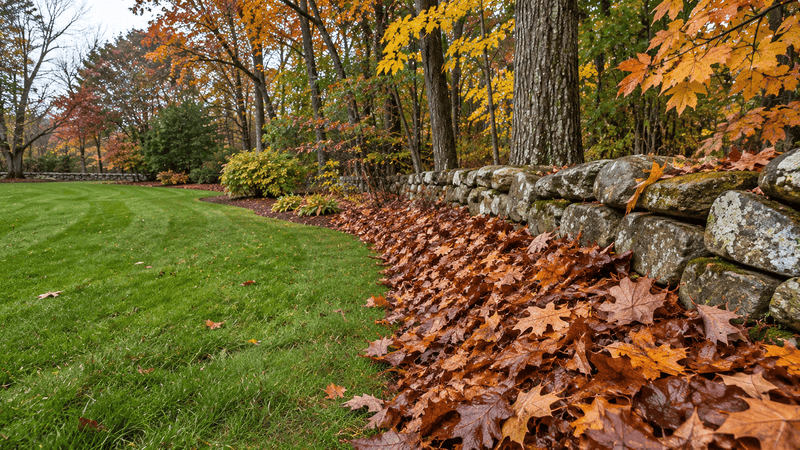 Short version: Blacklegged (deer) ticks live in leaf litter, and Connecticut research found most of the ticks on a typical lawn within about 9 feet of the lawn’s edge, near woods, stone walls and plantings. Clearing leaves out of that edge zone, keeping them...
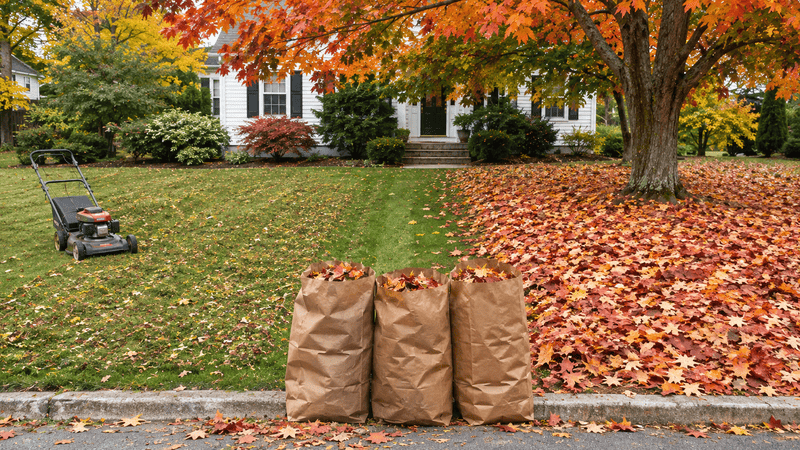 Short version: Mulch-mow your leaves if the lawn is only lightly covered and you can still see grass after mowing. Bag them for Bristol’s curbside pickup (paper bags only, October 13 through December 4, 2026) if you have a moderate amount and the time. Hire a...
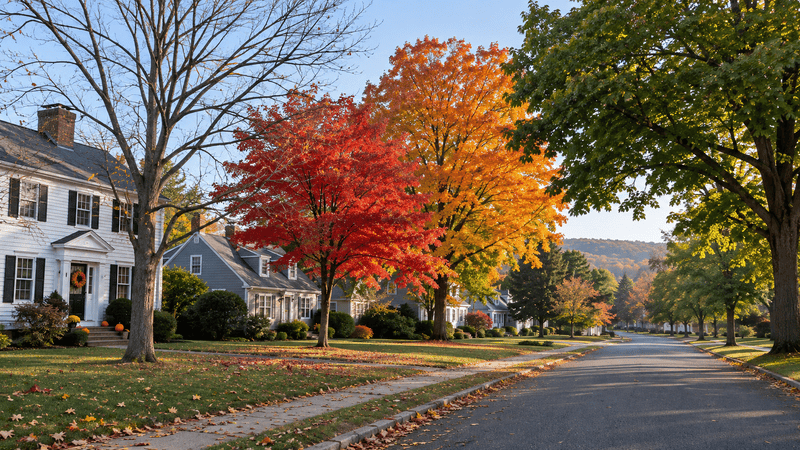 Short version: In Bristol and the rest of central Connecticut, leaves don’t all come down at once. Black walnut, ash and birch go first (late September into early October). Most maples drop from mid-October to early November. Norway maples and oaks come last,...
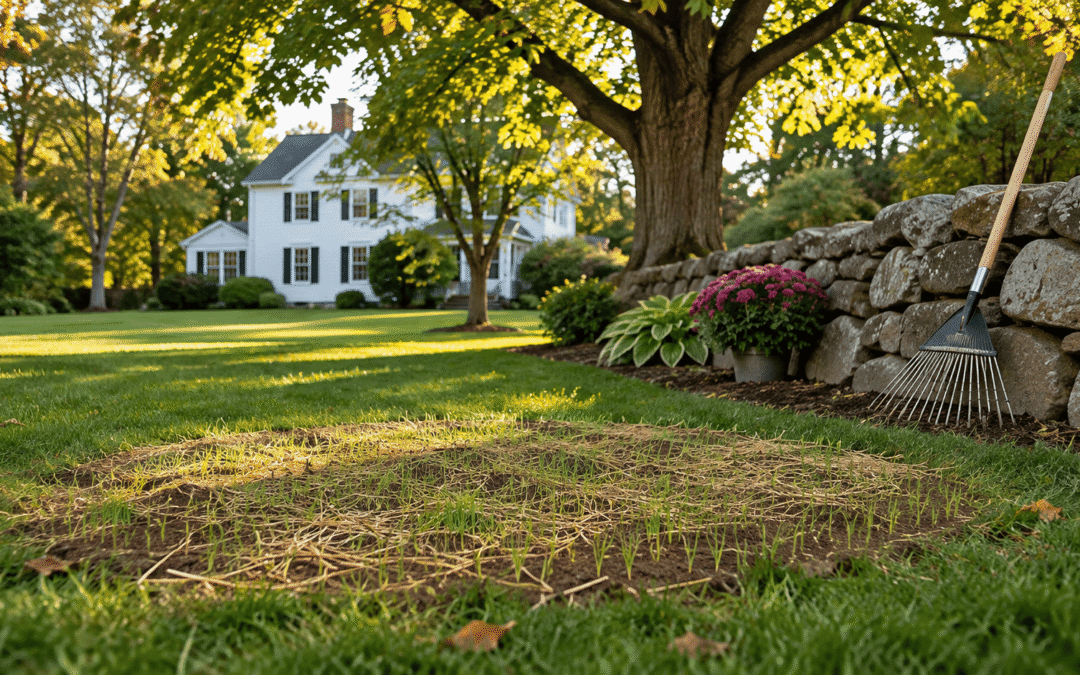 Short version: Mid-September is the last good week to seed bare spots in a Connecticut lawn, the right time to get a soil test, and the moment to decide how you’ll deal with this year’s leaves. Seed now, fertilize this fall, walk the yard and note which...